
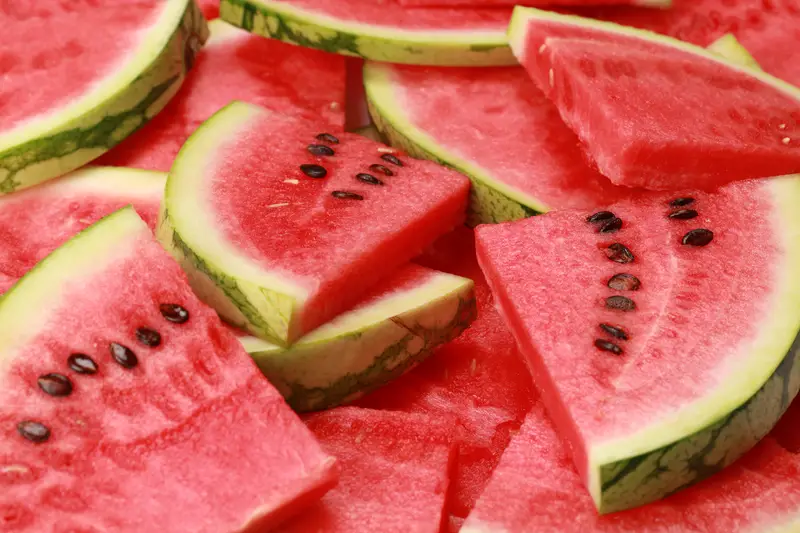
A mysterious poisoning case in Mumbai that claimed four lives in late April continues to deepen, with investigators now revealing that no trace of the deadly toxin was found in kitchen utensils, food items, or rat repellent collected from the victims’ home—only in the watermelon they consumed before dying.
The deaths of 40-year-old Abdullah Dokadia, his 35-year-old wife Nasreen, and their two daughters—Ayesha, 16, and Zainab, 12—were found on April 25, 2026, at their Pydhonie residence in south Mumbai. Forensic tests confirmed zinc phosphide, a common rat poison, killed all four family members after they ate watermelon in the early morning hours. But recent laboratory analysis found no poisonous residue on a knife, three large cooking spoons, four plates, raw rice, chicken pulao, or a herbal rat repellent spray seized from the apartment—leaving authorities without answers about how the chemical reached the fruit.
Police are now re-examining all four possible scenarios: murder, murder combined with suicide, mass suicide, and accidental death. Financial motives are also under investigation. Authorities are still waiting for Zainab’s post-mortem report and cyber analysis results from family members’ phones.
The Fatal Night
Sometime in the early morning hours between 1:00 and 1:30, after hosting relatives for a biryani dinner that ended around 10:30 p.m., the four Dokadias consumed watermelon. Within hours, violent vomiting and diarrhea struck the entire household. Neighbors rushed to assist, including fourth-floor resident Dr. Zaid Qureshi, who attempted to resuscitate the youngest daughter.
“I noticed that the youngest of the four individuals was experiencing difficulty breathing. I administered CPR. However, as her condition did not improve, she was taken to a nearby hospital. She passed away,” Qureshi told BBC Marathi.
On the morning of April 26 at 10:15, Zainab succumbed to the poisoning. Her mother Nasreen and sister Ayesha followed shortly thereafter. Abdullah died at 10:30 p.m. that day. All three had been transferred to JJ Hospital for emergency treatment, including stomach wash procedures, but medical intervention came too late.
Forensic Findings and Public Panic
For 11 days, the cause of death remained unknown. The Forensic Science Laboratory (FSL) in Mumbai ran 54 tests on items from the residence, including watermelon remnants that had been partially consumed, as well as spices, cookware, and various food samples. The State Food and Drug Administration checked for adulteration.
On May 7, the FSL reported its conclusion: zinc phosphide was present in the viscera of all four victims—in the liver, kidneys, spleen, stomach material, bile, and abdominal fatty tissue—and in watermelon samples. No other tested food contained the poison.
Deputy Commissioner of Police Pravin Mundhe confirmed the case was registered as an accidental death report, while the JJ Marg police station gathered statements from relatives and neighbors. Post-mortem examinations identified zinc phosphide as the lethal agent.
Indian media dubbed the incident the “watermelon deaths,” triggering widespread fear. Watermelon prices in Navi Mumbai plummeted to Rs 5 to 7 per kilogram, causing severe financial losses for traders. Viral videos spread across social media platforms featuring do-it-yourself “tests” purporting to verify watermelon safety, contributing to public misinformation.
A One-Hour Window for Survival
A common rat poison sold throughout India, zinc phosphide is a chemical compound made from zinc and phosphorus. Upon ingestion, it reacts with stomach acid to generate phosphine gas, a highly toxic substance that infiltrates cells and destroys their energy production capacity.
Symptoms emerge within 30 minutes to an hour: vomiting, dizziness, breathing difficulty, and convulsions. Severe poisoning leads to liver and kidney failure, delirium, and coma. Forensic experts cited in coverage noted treatment must begin within roughly one hour to have any chance of success.
An internal medicine specialist explained stomach wash procedures work only in that narrow timeframe. A former FSL director observed that zinc phosphide typically comes in powder form, suggesting the substance might have been applied directly to the sliced fruit.
More Questions Than Answers
Although the building has a documented rodent problem, no evidence emerged that rat poison was stored in the Dokadia apartment. Two fruit sellers were arrested for applying rat poison to fruits, though no formal connection to this tragedy has been established.
As of May 19, Mumbai Police submitted additional salt samples from the residence to the FSL for new forensic examination. Authorities now suspect the zinc phosphide may have been blended with salt and sprinkled on the cut watermelon, meaning the victims might have detected only unusual saltiness before becoming ill. Police have recorded statements from more than 100 individuals.
Nearly four months into the investigation, the case—branded one of the most baffling poisoning mysteries in recent Indian history—has left an entire city searching for answers. With no poison detected anywhere except the watermelon itself, and no clear path of contamination established, the deaths remain a haunting forensic puzzle.