
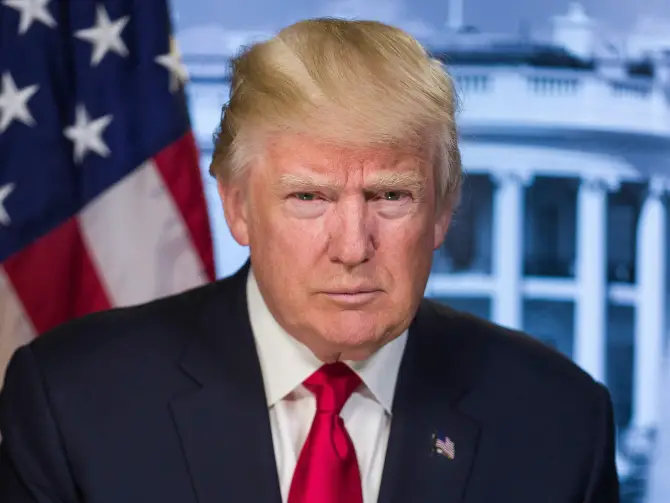
A string of dismissive comments by President Donald Trump about the cost of living may now represent one of the most significant political vulnerabilities for Republicans heading into the 2026 midterm elections, as Democrats prepare to weaponize the president’s own words in races across the country.
Trump’s pattern of downplaying economic anxiety began in November 2025, when he first characterized rising costs as a Democratic fabrication. Instead of moderating that position as financial pressures on households intensified, the president escalated his rhetoric. By late April 2026, CNBC reported that Trump had labeled affordability concerns a “Democratic hoax” — language that resonated poorly with voters experiencing sticker shock at gas stations and supermarkets.
The president also told audiences that prices are “not very high,” a statement immediately contradicted by data from AAA showing gas prices running 27 percent higher year-over-year.
During a May 2, 2026, appearance at The Villages in Florida, Trump conceded that Democrats “may have one good talking point” regarding affordability issues, a remark Democrats now view as politically potent ahead of the fall elections.
Independent voters disapprove of Trump’s handling of cost-of-living concerns by a 5-to-1 margin, according to CNBC’s Q1 2026 All-America Economic Survey. That same survey revealed that 60 percent of all respondents disapprove of Trump’s handling of the economy, troubling figures for a president whose 2024 campaign centered on promises of economic relief.
A CNN poll conducted April 30 through May 4 put his economy approval rating at just 30 percent, with 70 percent disapproving, a net rating of negative 40, which CNN described as the lowest of his political career. The same poll found that 77 percent of Americans, including a majority of Republicans, say Trump’s policies have increased the cost of living in their communities.
Democrats have moved aggressively to capitalize on the opening. The Democratic Congressional Campaign Committee has already launched geotargeted digital ads hitting Republicans over gas prices in all 44 of its targeted House districts. Polling suggests the message has broad reach: a YouGov tracker shows the share of Americans saying the economy is “getting worse” climbed from 25 percent in January 2025 to 61 percent in May 2026. With affordability emerging as the dominant issue of the 2026 midterm cycle and Trump showing no inclination to adjust his messaging, the party views his dismissiveness as a sustainable line of attack.
Inside the Republican Party, concern is mounting. A total of 38 House GOP members have announced they will not seek reelection — compared to just 23 Democrats. Veteran political observers interpret such a disparity as evidence that members have privately concluded their party faces structural headwinds they would prefer to avoid rather than confront on the campaign trail. Historically, large waves of incumbent retirements ahead of a midterm signal expectations of a difficult electoral environment.
For Republicans running this fall, Trump’s casual dismissal of voter concerns may prove impossible to escape. With gas prices elevated, grocery bills stubbornly high, and the president on record calling it all a hoax, the political damage from his words could extend well beyond November. “Whether voters ultimately direct their frustration at Trump himself or congressional Republicans remains uncertain. But Democrats have been handed a ready-made line of attack requiring little additional effort.