
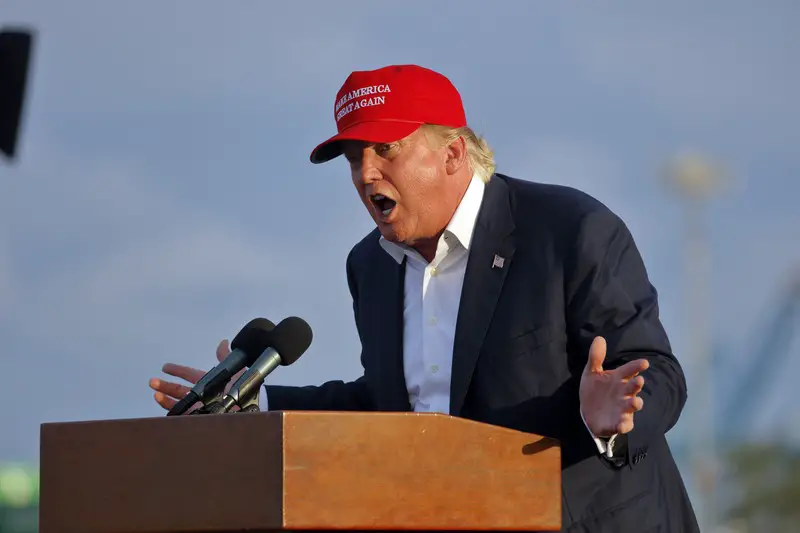
An hour of rambling commentary by President Donald Trump, 80, ended on the night of July 24, 2026, with the commander-in-chief placing a red “Trump 2028” hat on his head and teasing the possibility of another White House run — despite the constitutional bar against serving more than two terms. The closing moment capped an uneven performance that drew widespread silence and swift rebuke on cable networks and social media.
Backlash Across the Political Spectrum
California Gov. Gavin Newsom’s official X account posted a scathing response after the president singled him out, calling Trump a pig while sharing video of one particularly harsh moment. On CNN, political commentator and former Obama adviser Van Jones delivered a blistering critique, saying the president had wasted an opportunity to bring people together. “It just wasn’t funny,” Jones said, and went on to describe Trump as a “rabid grizzly” lashing out at everything around him who failed to mention a single American other than himself and his adversaries.
Washington Post writer Maura Judkis characterized the atmosphere as crass, surreal and deeply cringeworthy, observing that consistent laughter came only from what seemed to be a section filled with administration officials. Social media users likened the president’s remarks to a string of internet troll comments, with one observer writing they could not fathom anyone taking pride in what they had witnessed.
Insults, Awards and a Fourth Campaign
Wrapping up his remarks, Trump donned the “Trump 2028” cap and presented what he framed as breaking news: his plan to launch a fourth campaign. Earlier in the evening he had quipped that his presidency, much like the dinner itself, was superior the second time and that a third iteration would be even better — before clarifying he was joking. The 22nd Amendment, ratified in 1951 following Franklin D. Roosevelt’s four consecutive terms, restricts presidents to two.
Trump directed personal attacks at several journalists, including CNN anchor Kaitlan Collins, claiming her award was illegitimate and undeserved. The assault on Collins was met with silence from the crowd. Democratic figures, among them Newsom, were also targets of his criticism.
The scene carried a striking contradiction: Trump stood before and shook hands with the same reporters he has fought and taken to court, handing out honors to journalists from organizations he regularly vilifies. A team from the Wall Street Journal received recognition for its coverage of Trump’s ties to disgraced financier Jeffrey Epstein. The president told the room he respected “most of them,” while accusing many attendees of harboring what he termed Trump Derangement Syndrome and declaring the gathering the largest collection of such individuals ever convened.
A Speech That Fell Flat
When the president concluded, the audience mustered only faint applause. Weijia Jiang, who reports for CBS News and was finishing her tenure leading the White House Correspondents’ Association, stepped to the microphone as Trump’s exit music played, visibly taken aback. When asked beforehand how long the president’s remarks would last, she recalled responding that people should already have the answer. “You’re White House Correspondents, you should know,” Jiang said, before expressing gratitude.
Trump appeared aware that the crowd was not with him. At one juncture he questioned whether anyone grasped his material, and he complained that his unnamed writers had given him poor content. He asserted that he alone was keeping the news industry afloat, cautioning journalists that they would all face bankruptcy after he departs office because, he argued, no one is interested in anyone else. He then counted the number of front-page New York Times articles focused on him.
The July 24, 2026, White House Correspondents’ Association dinner unfolded at the Waldorf Astoria in Washington — the same property Trump once ran as his branded hotel in the capital. The event had been moved after a gunman interrupted the original April date. What aides had promoted in advance as a “unifying yet vicious” performance missed the mark, featuring jokes that landed poorly and bitter comments that drew grimaces before the audience went silent.
His remarks recycled longstanding complaints: the 2020 election, animosity toward the media, his proposed White House ballroom, his habit of branding buildings and ventures with his name, and allegations about Biden’s mental fitness. The formally dressed crowd remained mostly quiet as he delivered material more appropriate for a rally than a celebration of the First Amendment.
The evening was not entirely hostile. Trump commended the Secret Service and condemned political violence, telling those assembled that Americans resolve disagreements through debate, not bullets. He gave an award to Secret Service officer Victor Gonzales, who was struck in his protective vest during the April disruption.
Jiang told attendees she would not permit violence to have the last word.