
A four-day rescue mission at a hydropower construction site in India’s northeastern Himalayan region concluded on July 23, 2026, with authorities confirming that all 25 workers trapped by a devastating methane gas blast had perished. Among the dead were two National Hydroelectric Power Corporation (NHPC) officials working on the 500-megawatt Teesta Hydroelectric Project, including senior geologist Anish Mohan.
The explosion tore through the unfinished tunnel on July 20, in Namchi district, roughly 40 kilometers (25 miles) south of Gangtok, Sikkim’s capital. Recovery teams battled toxic smoke and hazardous conditions throughout the week before extracting the last three bodies on the afternoon of July 23, ending any remaining hope for survivors.
Methane Blast Overwhelms Construction Crew
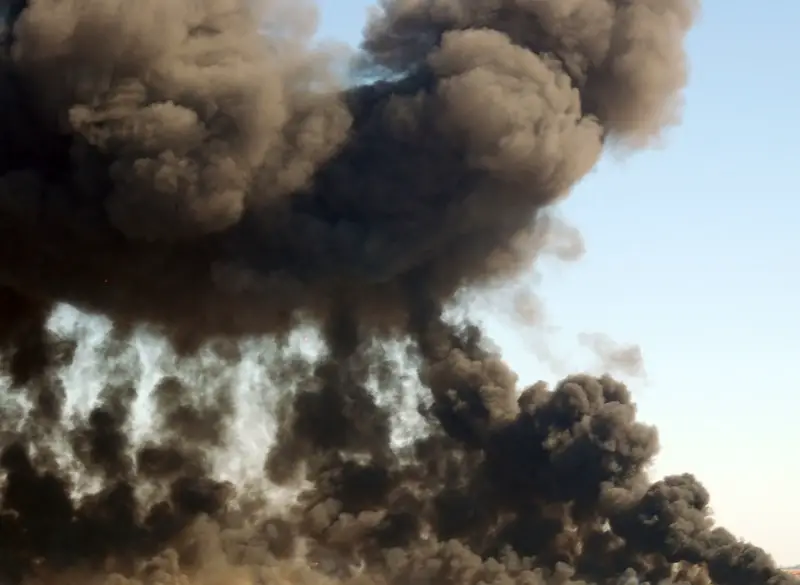
NHPC attributed the catastrophe to a “sudden burst of suspected methane gas present inside the rocks, which led to an explosion generating dense fumes and toxic gases.” The blast filled the passage with lethal smoke, immediately complicating rescue attempts in a region already known for dangerous underground construction.
Patel Engineering Limited, a contractor on the hydroelectric scheme, employed 19 of the 25 trapped workers.
Rescuers carrying oxygen cylinders fought their way into the smoke-choked passage repeatedly over four days. An official in Namchi district confirmed on July 23 that the final three victims were brought to the surface during the afternoon, completing the grim body-recovery process. After the last worker was pulled from the tunnel, authorities conducted a final inspection of the site.
“Tragically, all 25 individuals lost their lives, and their bodies were recovered during the course of the operation,” the Sikkim state government said in a statement.
Seismic Zone Amplifies Construction Hazards
The disaster unfolded in geologically volatile terrain near Samardung village, where the Teesta River basin sits atop fractured, seismically active rock formations. Experts say these young geological structures can trap pockets of combustible gases underground, creating unpredictable dangers during excavation work in this section of the Himalayas.
NHPC rejected news reports suggesting the tunnel had caved in due to a landslide triggered by the explosion. Early findings indicated a gas leak as the probable ignition source, though officials said the precise cause awaits expert analysis. The Sikkim state government established a high-level investigative committee to determine what went wrong and recommend measures to avert similar tragedies.
India’s Infrastructure Push Marred by Repeated Fatalities
The Sikkim tunnel blast marks the latest deadly accident to strike India’s aggressive infrastructure expansion in its mountainous northern and northeastern states, where rapid construction schedules often clash with unstable geology and harsh weather patterns.
Roughly 30 workers died in February 2026 when a coal mine exploded in Meghalaya. Earlier, a 2023 tunnel collapse trapped 41 workers for 17 days in Uttarakhand state in northern India; all survived. That weeks-long ordeal became a national fixation; the Teesta disaster, by contrast, ended in total loss.
The Teesta Hydroelectric Project forms part of India’s long-term strategy to harness the hydropower potential of Himalayan rivers. The Teesta, fed by high-altitude glaciers in Sikkim and flowing through West Bengal’s plains, offers substantial clean-energy capacity. Yet the same geological forces that create steep gradients and powerful water flow — young rock, active faulting, seismic instability — also make tunneling exceptionally perilous.
Investigation to Examine Safety Protocols
With all bodies recovered, focus now shifts to the formal probe and compensation for victims’ families. The high-level committee established by Sikkim’s government will scrutinize not only what ignited the methane on the afternoon of July 20 but whether adequate safety measures were in place to protect workers in such hazardous conditions.
For relatives who gathered at the Samardung village tunnel entrance throughout the week, the conclusion of rescue operations brought only finality, not solace. Twenty-five men entered the tunnel for a construction shift on July 20. None returned.