
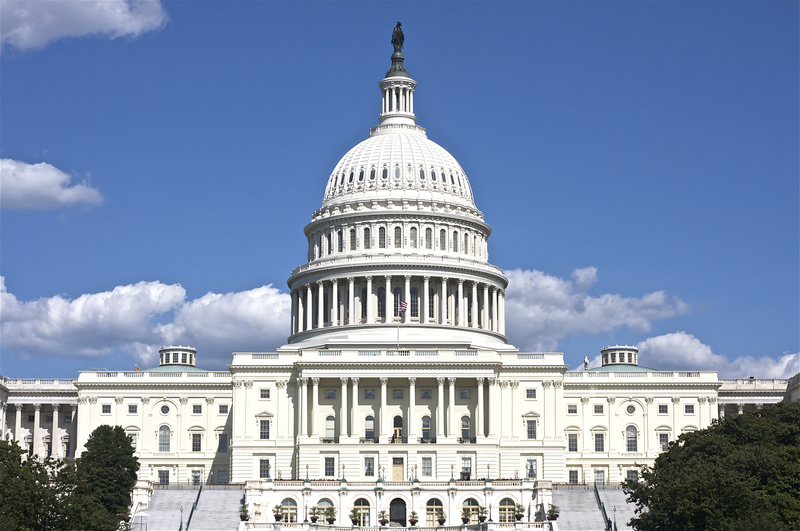
President Donald Trump escalated his confrontation with Congress, accusing the U.S. Senate of treason after lawmakers passed a war powers resolution on June 23, 2026, by a 50-48 margin, directing the withdrawal of American troops from combat operations against Iran without a formal war declaration from Congress.
The clash arrived just days before the nation prepared to mark its 250th anniversary, casting a long shadow over what the administration had envisioned as a moment of national celebration. Trump took to his Truth Social platform after the vote, accusing the senators who supported the measure of providing aid and comfort to the enemy — language drawn directly from the constitutional definition of treason.
Senate Defies the White House on Iran
Because the measure is classified as a concurrent resolution, it sidesteps the presidential veto — but its legal force remains disputed, and critics note it carries no binding operational authority. What it does carry is unmistakable political weight: a bipartisan majority signaling that congressional confidence in the administration’s unilateral approach to the Middle East has eroded sharply.
Trump dismissed the vote as both poorly timed and meaningless, insisting on social media that his administration had already brought Tehran to the brink of capitulation and that the four Republicans who crossed over had “made my job more difficult.”
The rebuke proved short-lived. One day later, on June 24, Senate Republicans who had been berated by Trump at a tense closed-door lunch held a late-night vote to appease him, blocking a separate but nearly identical war powers measure from advancing, 47-50-1. Two Republicans who had voted to rein in the president the day before switched: Sen. Bill Cassidy of Louisiana — who had clashed with Trump at the lunch, where the president called him a “lunatic” — voted against the measure after receiving a White House briefing on Iran from Vice President JD Vance and special envoy Steve Witkoff, while Sen. Rand Paul of Kentucky voted present, saying he wanted to give the president “more space and leverage to negotiate a lasting peace.” Trump welcomed the shift on Truth Social, writing, “This vote puts Iran on notice!” The Senate then left for a two-week recess.
An Earlier Fight Over Military Orders
Seven months earlier, in November 2025, six Democratic lawmakers — all military veterans and former intelligence officials — had posted a video addressed directly to active-duty service members and the intelligence community. The group included Senator Elissa Slotkin of Michigan, along with Senator Mark Kelly of Arizona, and Representatives Chris Deluzio of Pennsylvania, Maggie Goodlander of New Hampshire, Chrissy Houlahan of Pennsylvania, and Jason Crow of Colorado. Their message was pointed: service members are legally obligated to refuse unlawful commands, regardless of who issues them.
Trump adviser Stephen Miller responded by accusing the lawmakers of openly calling for insurrection. White House Press Secretary Karoline Leavitt went further, arguing the video amounted to an instruction to 1.3 million active-duty personnel to defy the chain of command. Asked whether the behavior was criminal, Leavitt said she was not a lawyer and would leave that determination to the Department of Justice and the Department of War. Trump separately suggested the defense secretary and deputy attorney general were examining the issue.
Slotkin pushed back directly, writing that she was simply restating existing law — the same law handed down from the founders to ensure the military answers to the Constitution, not to any individual. In a video response after Trump’s posts, she said, “I refuse to be intimidated out of defending the country I love.”
Democrats Demand Condemnation
Senate Minority Leader Chuck Schumer of New York delivered a floor speech in November 2025 characterizing Trump’s posts as a direct call for executing sitting members of Congress and urging bipartisan condemnation. Schumer requested additional Capitol Police protection for Slotkin and Kelly and warned that silence from Republican leaders would only deepen the danger.
House Minority Leader Hakeem Jeffries of New York, Democratic Whip Katherine Clark of Massachusetts and Democratic Caucus Chair Pete Aguilar of California urged Trump to delete his posts and retract his statements. The six targeted lawmakers responded collectively, saying the most revealing aspect of the episode was that the president considered restating existing law to be a capital offense. They vowed that no threat would stop them from fulfilling their constitutional obligations.
Republicans Offer Muted Pushback
Republican reaction in November 2025 was notably restrained. House Speaker Mike Johnson of Louisiana called the Democratic video “wildly inappropriate” while acknowledging he would not have chosen Trump’s wording. Johnson argued Trump had simply been defining the crime of sedition, and declined to place responsibility on the president for inflamed political rhetoric. Republican Senate Majority Leader John Thune of South Dakota offered a brief dissent from the president’s framing.
Trump said in a Nov. 21, 2025, Fox News radio interview that he was not threatening death and acknowledged calling someone seditious was serious. The clarification did little to quiet critics, who noted that the original posts remained on his platform and that Trump had reposted a message from another Truth Social user calling for the lawmakers to be hanged.
The June 2026 Senate vote on Iran, meanwhile, stands as a durable marker of how far relations between the White House and Capitol Hill have deteriorated ahead of the nation’s semiquincentennial.