
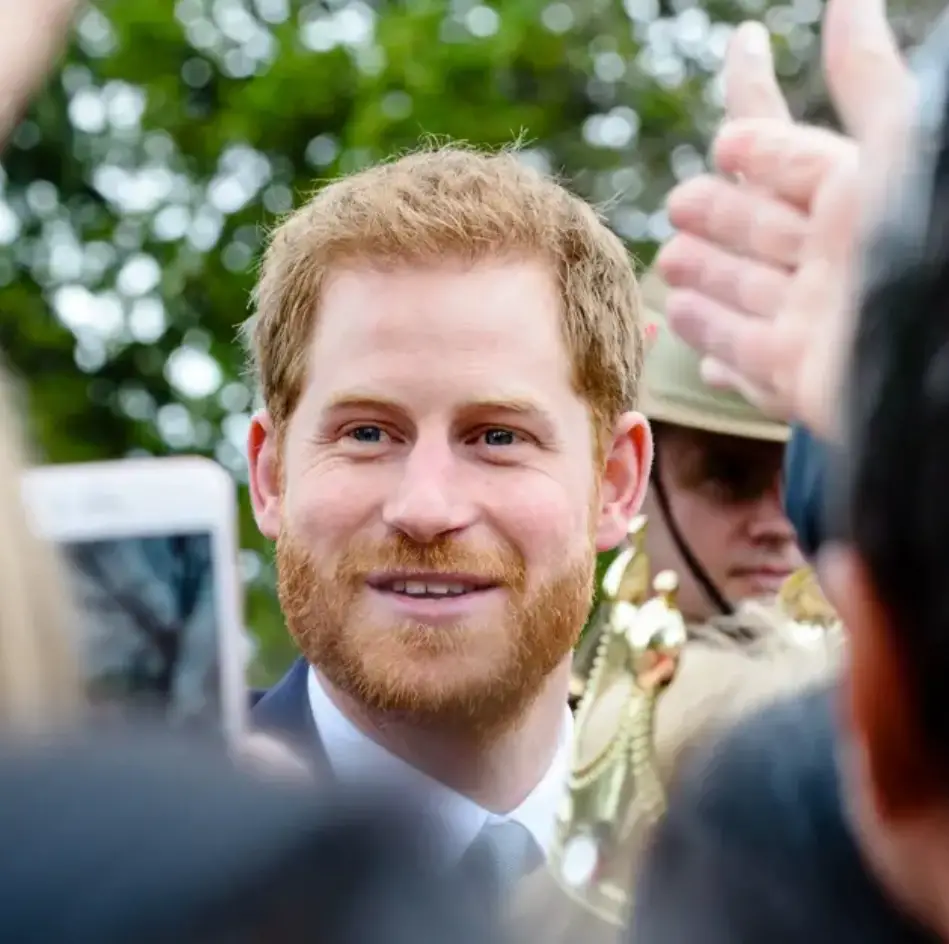
Prince Harry stood before London’s High Court on Monday, January 19, 2026, stating that his life had been plagued by constant media scrutiny from the Daily Mail, leading to feelings of isolation and deep suspicion. The nine-week trial, which investigates allegations of systematic privacy violations, saw the Duke of Sussex join other public figures such as Elton John and Elizabeth Hurley in accusing Associated Newspapers Ltd. of conducting illegal information-gathering campaigns for two decades.
According to the opening statement from attorney David Sherborne, the publisher allegedly had a recurring practice of employing private investigators to acquire celebrity stories through questionable means. Harry referred to the surveillance as so invasive that it was “disturbing to feel that my every move, thought or feeling was being tracked and monitored just for the Mail to make money out of it,” as stated in court documents related to the case. The alleged surveillance was described as “terrifying” for his family and friends and caused a “massive strain” on his personal relationships, making Harry “paranoid beyond belief.”
The privacy invasion lawsuit is the third legal action taken by Harry against British tabloids, with potential damages amounting to tens of millions of pounds. Among the plaintiffs are actress Sadie Frost and Elton John’s husband, David Furnish. They allege that investigators violated their privacy by bugging their cars, obtaining their personal records, and eavesdropping on private phone conversations.
Associated Newspapers has firmly denied all allegations, dismissing them as “preposterous.” The company maintains that the articles mentioned in the lawsuit were based on information from legitimate sources, including friends of the celebrities. The defense attorney, Antony White, argued that various sources, including royal press officers, publicists, freelance journalists, and photographers, provided legitimate information for Daily Mail articles.
Harry, donned in a dark blue suit, waved at reporters as he entered the court through a side entrance. A spokesperson stated that he felt “confident and ready” for the trial. He was seated in the courtroom near Hurley and Frost, while John watched the proceedings remotely.
This case follows Harry’s 2023 victory against the Daily Mirror, where the judge criticized the publishers for extensive phone hacking and awarded Harry 140,600 pounds (approximately $185,000) in damages. In a separate case, News Group Newspapers settled with Harry last year, issuing an unusual apology and agreeing to pay significant damages after admitting to years of intrusive behavior.
Harry has stated that his legal actions are part of a larger effort to reform British media practices. He attributes the aggressive press tactics to the 1997 death of his mother, Princess Diana, who died in a car crash in Paris while being chased by paparazzi. He also stated that the continuous media attacks on Meghan, Duchess of Sussex, were a contributing factor in their 2020 decision to move to the United States.
Defense attorney White challenged the basis of the lawsuit, arguing that the plaintiffs relied on weak connections between published articles and payments to private investigators.
Associated Newspapers has claimed that many of the allegations were filed too late, pointing out that some date back to 1993, despite lawsuits being filed in 2022. Judge Matthew Nicklin did not dismiss the cases based on the statute of limitations but stated he would revisit the defense after hearing all the evidence during the trial.
Sherborne accused the company of destroying records and allowing a large number of documents to vanish, making it difficult for plaintiffs to uncover the full extent of the alleged misconduct. Sherborne stated that Associated Newspapers claimed to operate ethically while concealing damaging secrets.
According to Sherborne, his clients were unaware that they were victims of phone hacking until 2021, when private investigator Gavin Burrows stepped forward. Initially, Burrows claimed to have performed “hundreds of jobs” for the Mail from 2000 to 2005, with Harry, Hurley, Frost, John, and Furnish being just a few of his targets.
However, Burrows later recanted his sworn statement, denying he ever worked for the publication. White argued that without Burrows as a supporting witness, a substantial part of the plaintiffs’ case falls apart, noting that several plaintiffs stated they would not have filed lawsuits without his initial testimony.
Sherborne minimized the significance of Burrows to the overall case, pointing out that other witnesses have confirmed that Burrows did indeed work for the newspapers. He suggested that Burrows’ change of heart could be due to pressure or incentives offered by the defense.
Baroness Doreen Lawrence and former Liberal Democrat deputy leader Simon Hughes also joined the lawsuit as plaintiffs. The case has extended beyond celebrities to include individuals from political and activist backgrounds who claim they have suffered privacy violations.
The nine-week trial marks the climax of years of legal preparation and discovery battles between the parties. Both sides have compiled extensive lists of witnesses and documents to back their opposing accounts of the journalistic practices at one of Britain’s leading newspaper groups.