
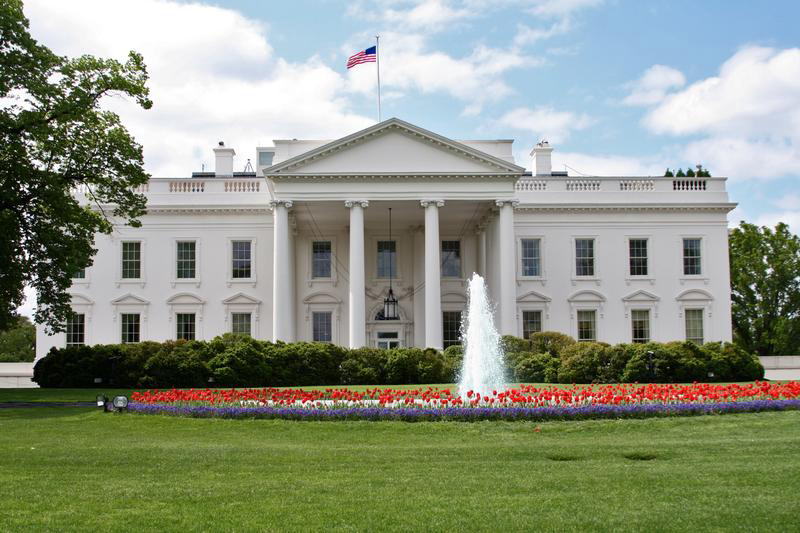
First Lady Melania Trump privately voiced discomfort with her husband’s contentious plan to tear down the White House East Wing and has sought to distance herself from the massive ballroom project, according to administration officials who spoke to The Wall Street Journal.
The Journal, citing unnamed White House insiders, said Melania Trump questioned the need to remove the East Wing and told those around her that the project was not something she pushed for.
President Donald Trump authorized the demolition of the Roosevelt-era East Wing to make way for a 90,000-square-foot ballroom, reversing an earlier promise that the structure would remain untouched. He had previously stated that the ballroom would be built alongside the East Wing without harming the historic building, stressing his admiration for the White House.
Photos and videos showing heavy machinery tearing into the structure quickly circulated online, prompting strong public reactions. The demolition is substantial enough to be seen in satellite photos.
The estimated cost of the project has risen from $200 million to at least $400 million, with Trump claiming the money will come from private donors. The revised design raises capacity to over 1,000 guests, up from an initial estimate of 650. The new ballroom will be nearly twice the size of the White House’s 55,000-square-foot main residence.
Stephanie Grisham, Melania Trump’s former chief of staff and now a critic of the president, told CNN the demolition saddened her. She pointed out how quickly the work proceeded, avoiding the typical review procedures required for alterations to the White House. Grisham said she never expected the East Wing would be taken down in mere days as if it were a hazardous structure.
The administration has not yet submitted its ballroom plan to the National Capital Planning Commission, the federal body overseeing construction on government property. Will Scharf, the White House staff secretary appointed by Trump to the commission in July 2025, said that while construction requires approval, demolition does not.
On Oct. 21, the National Trust for Historic Preservation urged the White House in a formal letter to pause demolition until the group could review the proposal. They cautioned that the size and height of the new building could overshadow the White House and disrupt the classical symmetry between the central residence and the two wings.
The letter said: “As we approach the 250th anniversary of our country’s founding, the preservation of historic places that represent our nation’s history has never been more relevant or important.”
When Reuters journalist Jeff Mason pressed Trump on Oct. 23 about transparency surrounding the project, the president reacted sharply. He said: “I haven’t been transparent? Really? I’ve shown this to everybody that would listen. Third-rate reporters didn’t see it because they didn’t look.”
Though Melania Trump raised concerns about the demolition, sources previously told People that she supported her husband’s renovation ideas because they made the presidential residence feel more like their Mar-a-Lago home in Florida. A Mar-a-Lago member told the magazine the couple takes pride in the Palm Beach estate and enjoys showcasing its style, making it unsurprising that elements of the property would influence changes to the White House.
White House spokesman Davis Ingle defended the project, saying Trump is committed to Making America Great Again, which includes his historic push to enhance the White House, without spending taxpayer money. He said future presidents and the American people will benefit from the improvements.
Officials say the East Wing offices will eventually be rebuilt as part of the larger initiative.
The project cleared a major legal hurdle on Feb. 26, 2026, when U.S. District Judge Richard Leon dismissed a lawsuit by the National Trust for Historic Preservation seeking to stop construction, finding the group was unlikely to win its central claims. However, Leon allowed them to refile to challenge Trump’s use of private funding without congressional approval.
Separately, the Commission of Fine Arts unanimously approved the renovation on Feb. 19, and the National Capital Planning Commission held a public hearing on March 5, 2026, with written comments accepted until March 4.
The project continues to face criticism more than its lavish design, the lack of public consultation before demolition began, ongoing asbestos-related litigation from the Asbestos Disease Awareness Organization, and worries about bypassing Congress to use private money for a $400 million transformation of a national landmark.
Despite lingering controversy, the administration says above-ground construction could begin as soon as April 2026, with hopes to complete the ballroom before the end of Trump’s term.