
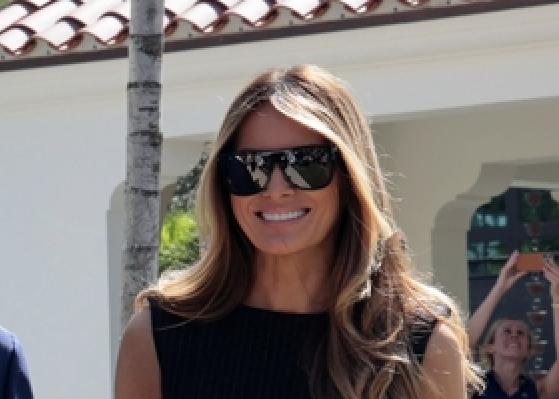
Over the weekend of Jan. 24–25, 2026, Melania Trump revealed details of a private screening of her new documentary at the White House. She shared a video on Sunday, Jan. 25, that displayed the East Room of the White House transformed into a theater for the black-tie event.
On Saturday evening, the first lady entertained around 70 guests with an exclusive screening of “Melania,” a $75 million Amazon documentary that chronicles the 20 days leading up to President Donald Trump’s inauguration. The event marked the president’s first viewing of the complete film, directed by Brett Ratner.
As guests entered the East Room on Jan. 24, they were greeted by a full military band playing “Melania’s Waltz.” The first lady’s video captured various moments from the grand event, including footage of her and President Trump making their entrance.
The celebrity-studded guest list comprised Queen Rania of Jordan, Apple CEO Tim Cook, Amazon CEO Andy Jassy, and former heavyweight boxing champion Mike Tyson, among others. Tech executives such as Zoom CEO Eric Yuan, New York Stock Exchange CEO Lynn Martin, and AMD CEO Lisa Su were present. Other attendees included Erika Kirk, Tony Robbins, and the 19-year-old Barron Trump.
Guests took home commemorative items from the event, like popcorn boxes, framed collectible screening tickets, and cookies bearing the first lady’s name. The grandeur of the setup illustrated the event’s high-profile nature, which was organized following the demolition of the White House Family Theater in October to accommodate a $400 million ballroom project.
The timing of the screening faced criticism as it coincided with the day federal agents fatally shot Alex Pretti, a 37-year-old ICU nurse, in Minneapolis, Minnesota. The incident led to an immediate backlash against those who chose to attend the celebration amidst the ongoing tragedy.
Jenna Ellis, a former Trump lawyer, openly questioned the decision to go ahead with the screening. “I have deep respect for the First Lady and have been honored to meet her. But this event should have been postponed,” Ellis wrote. “With Minneapolis unraveling and Americans demanding leadership, this feels disconnected from reality.”
Despite the controversy, the documentary is proceeding with its planned release timeline. A premiere at the Kennedy Center was held on Thursday, followed by the official release on Friday, Jan. 30. Amazon invested $40 million in the documentary and set aside another $35 million for marketing. The film opened in 1,778 U.S. theaters on Jan. 30, with plans to expand to approximately 2,000 theaters and screen across 27 countries worldwide.
Industry forecasts initially projected the film would earn between $3 and $5 million during its opening weekend. However, the documentary exceeded expectations, earning approximately $7 million domestically in its debut, marking the highest opening for a non-concert documentary in over a decade. Despite this relative success by documentary standards, the figures remain modest compared to production and marketing costs.
President Trump promoted the film on social media on Monday, offering a notably brief endorsement. “Beautiful job by Melania,” Trump posted. “Everyone should see this incredible documentary.”
Creating a documentary at this scale diverts from the usual first lady projects, which commonly focus on public service initiatives or cultural preservation. The commercial nature of the venture, coupled with the significant budget and extensive theatrical release, sets this project apart from previous first lady media appearances.
The presence of leading corporate figures like the CEOs of Apple, Amazon, and other Fortune 500 companies at the screening underscores the convergence of politics, business, and entertainment that has defined the Trump era. These relationships between the administration and corporate leadership continue to attract attention from political observers and media analysts.
However, despite intensive marketing and high-profile promotion, the documentary faces a challenge in recovering its costs through theater exhibition alone, as analysts note that theaters take half the box office revenue.
Supporters argue that the scheduling conflict was unpredictable and that postponing would have disrupted meticulously coordinated release plans involving thousands of theaters across multiple continents.
Following the theatrical release, attention has turned to the film’s critical reception and whether the controversy surrounding the private screening affected public interest in the documentary. The criticism from Ellis and others may have influenced whether political figures and public personalities chose to attend the Kennedy Center premiere or distance themselves from the project.