
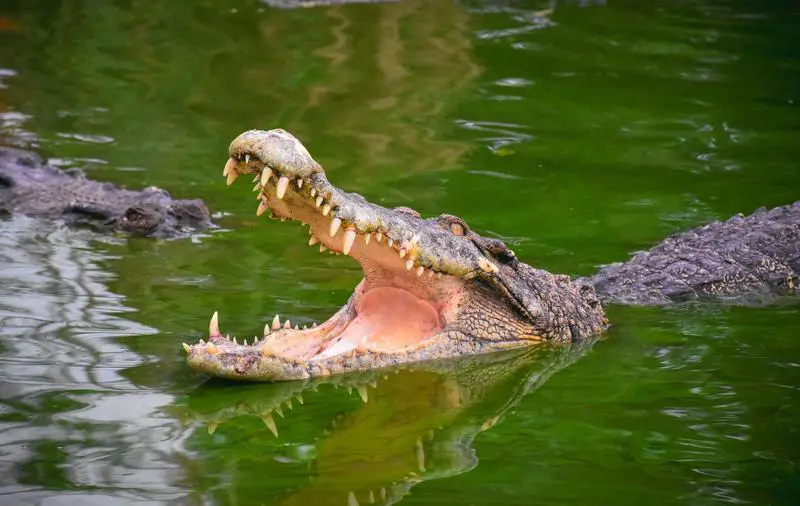
A crocodile responsible for killing a tourist near a popular Mexican resort has been captured close to the site of the deadly attack, authorities said.
Irving Mauricio, a 28-year-old resident of Mexico City, was dragged into the sea and killed by a crocodile on June 26, 2026, at Marina Vallarta Beach directly in front of the Marriott Puerto Vallarta Resort and Spa. He was taking photos on the water’s edge when the animal seized him by the thigh and pulled him into the ocean around 6 p.m. local time, according to the Jalisco State Police. His body was recovered on the morning of June 27, approximately 300 meters offshore after an overnight search-and-rescue operation.
Government officials have enforced surveillance on beaches, estuaries and areas of higher incidence following the attack. They described the incident as a “highly regrettable, unusual and isolated incident” and noted that the presence of American crocodiles in the area is normal, particularly during the rainy season when water levels rise.
Mauricio’s mother, Claudia Mauricio, posted a tribute on Facebook, writing, “You’ve broken my heart, my beautiful boy. Give me strength to go on,” and asking for forgiveness for “not taking care of you as I would have liked.” She closed the post with a wish to be reunited with him. Mauricio is survived by his mother, Claudia Mauricio, his brother, Alexis, and his father, Ross.
Couple Left Shaken After Rescue Attempt
Jamie Yetter and her fiancé, Chris Bury, a San Clemente, California couple staying at the hotel, witnessed the attack and scrambled desperately to save Mauricio. The pair were unwinding at the hotel pool with Yetter’s teenage daughter when they heard screaming from the direction of the beach.
Both strong swimmers, Yetter and Bury, reacted immediately, initially thinking a man was caught in a rip current. Yetter told reporters they bolted from the pool toward the water, but what they found was far more terrifying — a massive crocodile had the man in its grip.
Bury grabbed a kayak and paddled furiously toward the victim. There were no oars at the beach and no equipment readily available. He made it to the kayak just as the crocodile dragged Mauricio beneath the surface. The victim did not resurface, and the animal pulled him out to sea. The couple, experienced swimmers accustomed to the ocean conditions of Southern California, said the helplessness of the moment was overwhelming.
Resort Cites Safety Measures in Place
The Marriott Puerto Vallarta Resort and Spa addressed the tragedy in a statement, saying safety protocols were active at the time of the attack, including warning signage, red flags, and nighttime patrols. Bury disputed this, telling reporters there were no warning signs posted on the beach about crocodiles, and that he expected the beach to be closed the following day — it wasn’t. Yetter offered a partial explanation, saying there was signage near the hotel referencing jellyfish, stingrays, and crocodiles, but that her family had mistaken the crocodile icon for an iguana.
The resort also noted that staff regularly review emergency plans and procedures and work in close coordination with relevant authorities. Personnel are trained to respond appropriately to safety incidents, the statement said. The resort extended condolences to Mauricio’s family and said it was providing support in accordance with its policies.
Authorities Warn the Public About Wildlife Risks
The Jalisco State Police released a statement on June 28 formally confirming the attack and urging the public to respect posted warning signs. Officials specifically cautioned against entering the water in areas where wildlife activity is known, calling out estuary and mangrove zones as particularly dangerous.
A photograph taken on June 27 and supplied to news outlets shows a warning sign posted on the beach near the Marriott resort — a reminder, officials say, that beachgoers too often ignore posted hazards in a region where crocodiles routinely move through coastal waterways near populated beaches and resorts.