
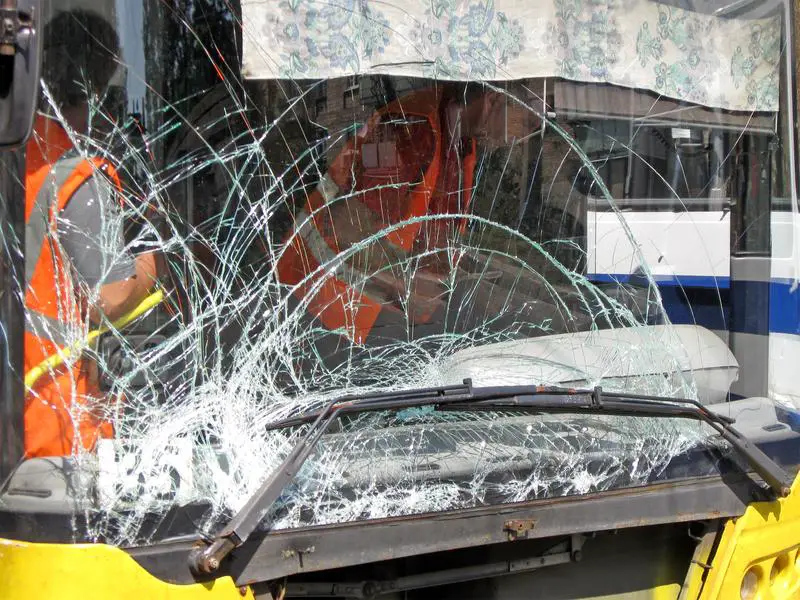
A collision between two buses on July 25, 2026, in southern Peru left at least five people dead and 16 others wounded, according to authorities.
The violent crash occurred near the Chilean border on the Panamerican Highway south of Tacna, police informed The Associated Press. Officials had not determined what caused the wreck, and no names of the deceased had been made public.
Agustín Choquecota, a farmer, said his pickup truck carrying livestock became entangled in the disaster. He told Radio Uno he was “dragged along by the impact after one of the buses involved in the accident veered out of its lane.”
Peru’s Deadly Traffic Record
Official statistics indicate that 3,428 people perished in traffic accidents throughout Peru in 2025. Safety specialists have identified systemic flaws in the nation’s oversight of road transport, warning that reforms require legislative action rather than scattered enforcement efforts.
Experts cite a mix of old buses, exhausted drivers on extended routes and lax application of traffic regulations as contributing to the carnage, though no specific element had been tied to the July 25 crash by investigators.
Medical Response in Tacna
Those wounded were transported to the Hipólito Unanue de Tacna hospital. Eddy Vicente, director of the hospital, said most patients were in stable condition, though one patient, a man aged 24, remained in serious condition and had suffered numerous broken bones. No additional breakdown of patient ages or conditions was provided.
The highway segment where the wreck took place serves as a vital route for passenger and freight traffic moving between Peru and Chile, with long-haul buses regularly traversing the border crossing.
Witness Account and Ongoing Probe
Choquecota’s description indicated that one bus had drifted from its lane before the collision, but that account came from a witness rather than an official determination. Police had not yet verified the chain of events.
Authorities in Peru typically investigate fatal bus crashes to assess vehicle maintenance, driver conduct and roadway factors. It was unclear whether either bus company faced scrutiny or how many passengers had been aboard.
Advocates for safer roads have pressed for stricter regulation of Peru’s intercity bus sector following repeated mass-casualty incidents. The thousands of annual traffic deaths point to broader structural weaknesses, specialists argue, that individual accidents cannot fully explain.
Officials had not announced when further details about the victims or the investigation’s findings would be released. For families in Tacna, attention remained focused on those still receiving care at the local hospital.