
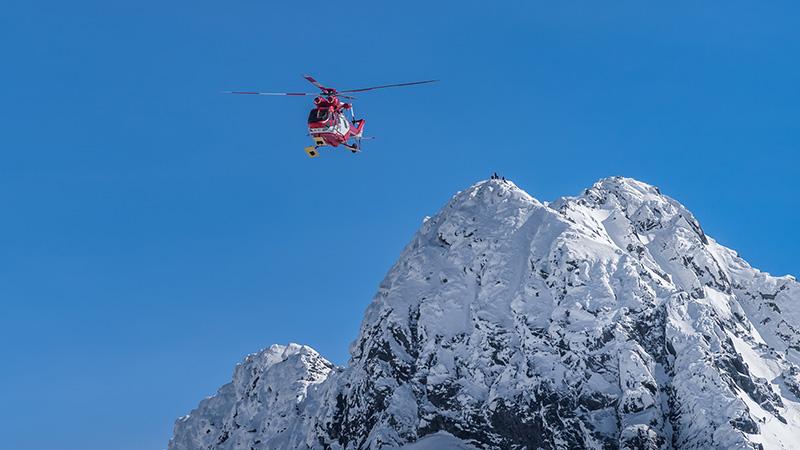
A series of deadly mountaineering accidents across the Alps claimed nine lives between June 12–14, 2026, overwhelming rescue teams and exposing dangerous early-season conditions on some of Europe’s most iconic peaks. The fatalities occurred on Gran Paradiso, Mont Maudit, the Matterhorn and Mont Blanc’s Brenva Spur, as well as in the Italian Prealps, marking the worst single weekend in the mountains so far this year.
The deaths stretched rescue services across France and Italy and raised urgent concerns about the summer climbing season ahead. Most of the accidents unfolded during clear skies and warm temperatures that drew large numbers of climbers to high-altitude routes, but rescue coordinators noted the favorable weather masked treacherous conditions underfoot caused by accelerated snowmelt.
Three Experienced Climbers Perish on Gran Paradiso
The weekend’s deadliest single accident occurred on June 12, on the north face of Gran Paradiso, Italy’s highest mountain located entirely within Italian territory at 4,061 meters. A trio of experienced alpinists from Trentino plunged roughly 400 meters at an elevation near 3,600 meters during their attempt on the demanding route.
Authorities named the deceased as Sergio Martinelli, 29, an economist and data analyst from Trento; Maicol Zenatti, 38, an IT professional from Brentonico; and Antonio Sardano, 49, a veteran emergency medical worker with Trentino Emergenza. The three were close friends who shared a passion for mountaineering and were described by family members and acquaintances as experienced climbers who knew the route well.
The group had departed from Rifugio Federico Chabod in Valsavarenche around 3 a.m. on June 12 and planned to return to the refuge that evening. When they failed to make contact to confirm their descent, Antonio Sardano’s wife, who noticed his GPS tracker had been stationary for hours, called the Rifugio Chabod, confirmed the group had not returned, and alerted the Soccorso Alpino Valdostano at approximately 7:30 p.m., prompting search teams to discover the bodies on the mountain’s north face using a GPS locator activated by one of the party members.
According to initial reconstructions by the Soccorso Alpino Valdostano, it appears one climber in the roped party lost footing, pulling the others down with him. Authorities have not yet determined exactly what caused the initial fall.
The Aosta prosecutor’s office opened a formal investigation and ordered autopsies on the three victims. After autopsies were completed June 15, authorities released the bodies; funerals for Martinelli, Sardano and Zenatti were held June 18–20 in Trento, Andria and Brentonico, respectively. The investigation remains open to formally confirm the accidental nature of the deaths.
Siblings Die on Mont Maudit’s Kuffner Ridge
Two siblings from Savoie, France, aged 24 and 25, plummeted to their deaths while climbing the Kuffner Ridge on Mont Maudit on June 13. The route is one of the most demanding in the Mont Blanc massif, a classic but exposed mixed climb known for knife-edge sections and high commitment.
The brother and sister plunged from an exposed portion of the ridge at approximately 6 a.m. A Slovak mountain guide climbing in the area heard falling rocks and immediately raised the alarm. The Peloton de Gendarmerie de Haute Montagne (PGHM) mountain rescue unit from Chamonix responded within minutes but discovered that neither climber had survived the fall.
Mont Maudit nearly claimed more victims that same day when, shortly before noon, another trio of alpinists tumbled on the identical peak. Remarkably, all three survived with injuries and were assisted by rescue teams.
Fatal Fall on Brenva Spur
A third fatal accident occurred on the afternoon of June 13, 2026, on the Italian side of Mont Blanc. A 44-year-old skier from Haute-Savoie fell approximately 100 meters while skiing the Brenva Spur, one of the mountain’s classic steep ski descents. His ski partner witnessed the accident and immediately alerted rescuers.
A Dragon 74 rescue helicopter, the regional mountain rescue aircraft, and medical personnel were dispatched to the scene, but the skier was declared dead when they arrived. The victim’s body was transported to Entrèves as investigators from the Alpine Rescue Police unit launched an inquiry into the circumstances of the accident.
Matterhorn Death Near Pic Tyndall
Another deadly accident unfolded on June 13, 2026, on the Italian normal route of the Matterhorn, known locally as the “Grande Becca.” The climber fell several hundred meters near Pic Tyndall, a 4,241-meter subpeak along the Italian ridge leading to the mountain’s summit. His rope partner was uninjured and was later brought to safety by rescue crews. Authorities have not released the victim’s identity or nationality.
Rescue Services Overwhelmed
The deaths occurred during an especially hectic stretch for mountain rescue teams across the region. By the evening of June 13, the Chamonix-based PGHM rescue unit had handled 11 separate emergencies involving exhausted climbers, traumatic injuries and mountaineers stranded in difficult terrain. The operations required coordinated efforts from Italian, French and Swiss rescue crews, who were responding to multiple incidents at the same time.
What makes experienced rescue coordinators most uneasy about the weekend is that most accidents on June 13 happened in good weather.
Early Snowmelt Creates Hazardous Conditions
Rescue officials in the Aosta Valley and Chamonix have pointed to the same underlying cause: warm temperatures and an accelerated seasonal snowpack melt are creating conditions more typical of mid-summer than mid-June. Low winter snowpack has exposed bare ice weeks earlier than normal, fundamentally changing the character of classic routes.
Terrain that would normally carry a layer of firm neve in mid-June is now showing bare, compacted glacier ice. Ice is far less forgiving than consolidated snow—a slip at 50 degrees on ice accelerates into a fall before a climber can bring an axe to bear. Warming temperatures are also loosening permafrost and ice bonds, making even well-known routes more unpredictable in early summer.
Rapid snowmelt and rockfall have increased on technical routes this season. Many climbers appeared drawn by a perfect weather forecast, but the favorable skies masked the deteriorating conditions underfoot.
Weekend Toll Rises to Nine
The toll increased on June 14, when two climbers fell about 100 meters in the Sojo d’Uderle area on the Vicenza side of Monte Pasubio in the Italian Prealps, a subrange of the Alps. A third climber in their group was rescued while still roped to the face. Foggy conditions hampered initial efforts and complicated the rescue, bringing the weekend’s total fatalities to nine.
The nine deaths represent one of the most serious tolls in recent years for mountaineering in the western Alps. The grim weekend came as Alpine rescue services brace for another busy summer after Italy recorded its deadliest mountain year on record in 2025. Last year, 528 people died in Italy’s mountains, with falls accounting for nearly half of all fatalities.
Authorities continue to stress the importance of proper preparation and equipment, thorough route research, and realistic assessment of personal limits, particularly on exposed terrain where retreat can be difficult.