
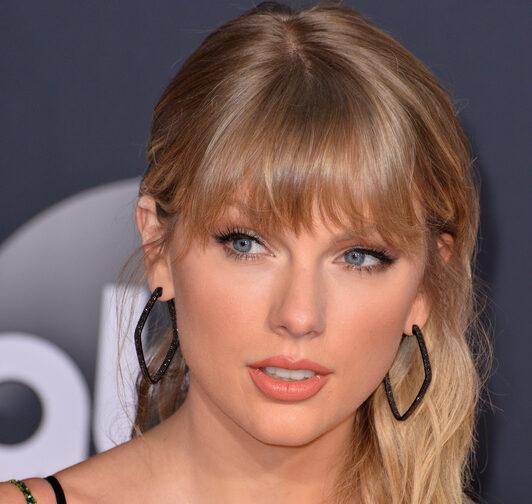
Taylor Swift has long taken pride in using her platform to share her views, yet these days it’s her silence that’s drawing notice. Over the past sixty days, a string of controversies has reignited ire among fans, critics, and scholars, raising tough questions about whether the music star is retreating from the outspoken public role she once said she wanted to occupy.
The flashpoint came in February 2026, when Swift rolled out a promotion for her new music video “Opalite” while remaining conspicuously quiet about immigration enforcement. As ICE operations ramped up nationwide — including two civilian deaths in Minnesota involving federal agents — fans took to social media, noting the contrast between Swift’s prior activism and her current absence of comment. “I’ve never heard silence quite this loud,” one fan wrote, a line that quickly spread online.
The backlash was intensified by timing. Swift released her “Opalite” video the same day Bad Bunny appeared at the Super Bowl, a milestone moment for Latino artists — and did not address the immigration issues affecting many of those communities. Critics also pointed out that the White House had used her music in pro-ICE social posts without any public reaction from Swift, despite her history of litigating against unauthorized uses of her songs.
Many supporters drew a direct line to Swift’s earlier statements. Her 2020 film Miss Americana focused on her decision to speak out politically, with Swift saying she wanted to be “on the right side of history.” Her 2024 endorsement of Kamala Harris seemed to solidify her image as an engaged political figure. Now, with peers like Ariana Grande and Sabrina Carpenter openly criticizing ICE, some fans feel deserted. “As someone who stated she wanted to be vocally on the right side of history, it is even more glaring she has been quiet,” one Reddit user wrote.
The political dimensions of Swift’s image were examined in January 2026 by a new academic paper. “Mirrorball Politics,” published in Social Science Quarterly on January 22, found that opinions of Swift are now sharply split by party, with Democrats much more likely to view her favorably and Republicans more likely to view her negatively — a gap that remains after controlling for age, gender, and other demographics. The four political scientists behind the study concluded that Swift has become a cultural mirror for America’s deep partisan divides, and that her 2024 Harris endorsement helped solidify that split.
Then in March, a fresh wave of anger emerged from an unexpected source. On March 18-19, 2026, comedian Mark Normand guested on Shannon Sharpe’s sports podcast Club Shay Shay and made a string of disparaging remarks about Swift’s body. Normand compared Swift unfavorably to Travis Kelce’s ex, Kayla Nicole, and suggested the 14-time Grammy winner should get a Brazilian butt lift. Sharpe tried to steer the discussion but did not fully shut it down. Swifties flooded both men’s social feeds, accusing Sharpe, who calls himself a friend of Kelce, of failing his friend by letting the comments air. “It is pathetic that a platform like Club Shay Shay has to rely on body shaming famous women just to stay relevant,” one fan posted.
Taken together, these incidents paint a complicated picture for one of the world’s most visible entertainers. Fan enthusiasm is fading as controversies multiply, from her album rollout strategies to her political quiet to how others publicly speak about her. For years, Swift built a fiercely loyal fanbase. Whether that loyalty endures as these disputes accumulate is uncertain, and, for now, Swift has opted not to respond.