
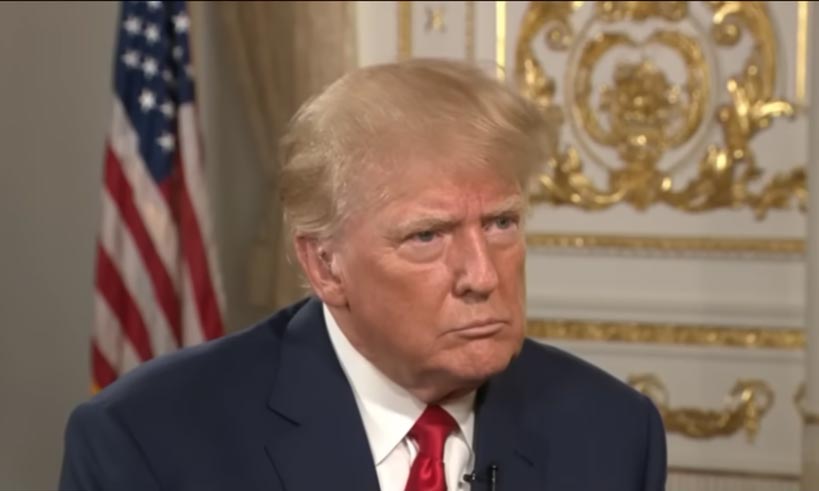
In a noteworthy turn of events that garnered major attention throughout the sports world, President Donald Trump on Thursday, February 12, 2026, granted pardons to five former NFL players previously convicted of crimes ranging from perjury to drug trafficking, including Dallas Cowboys legend Nate Newton and Hall of Famer Joe Klecko.
White House pardon czar Alice Marie Johnson announced the clemencies on social media, noting that Cowboys owner Jerry Jones personally delivered the news to Newton. Others pardoned were former Ravens running back Jamal Lewis, ex-Broncos running back Travis Henry, and the late Billy Cannon, the Heisman winner who played for the Houston Oilers, Oakland Raiders, and Kansas City Chiefs.
“As football teaches us, greatness demands grit, grace, and the courage to rise again. So does our country,” Johnson said, thanking President Trump for his commitment to offering second chances.
Newton, now 64, spent 13 seasons with Dallas and earned six Pro Bowl selections as part of the famed “Great Wall of Dallas” offensive line that powered the team to three Super Bowl wins in the 1990s. His NFL career ended abruptly in 2001 when authorities discovered 175 pounds of marijuana and $10,000 during a traffic stop. He pleaded guilty to federal drug trafficking charges in 2002 and served about two and a half years in prison.
The two-time All-Pro expressed his gratitude on social media Friday morning, thanking Jones for personally passing along the news and writing, “May God bless You, Mr. Jones and your Family.”
After leaving prison, Newton rebuilt his life, losing nearly half his body weight and taking part in community programs. The pardon removes the federal conviction that has followed him for more than two decades.
Klecko, a defensive lineman celebrated for his pass‑rushing skills with the New York Jets, received a pardon for a 1993 perjury conviction tied to a federal investigation into insurance fraud. He served three months behind bars. The four-time Pro Bowler was inducted into the Pro Football Hall of Fame in 2023, cementing his legacy despite past legal troubles.
Lewis, the 2003 AP Offensive Player of the Year with the Ravens, pleaded guilty in a drug case involving the use of a cellphone to help arrange a cocaine deal. The incident occurred shortly after Baltimore drafted him fifth overall in 2000, though he was not charged until 2004. He served four months in prison and later played for the Cleveland Browns.
Henry, a running back who earned one Pro Bowl selection while playing for the Buffalo Bills, Tennessee Titans, and Denver Broncos, pleaded guilty in 2009 to conspiracy to traffic cocaine. Prosecutors alleged he financed a drug pipeline transporting cocaine between Colorado and Montana. He was sentenced to three years in federal prison.
Cannon’s posthumous pardon carries historical significance. The LSU standout won the 1959 Heisman Trophy and delivered one of college football’s most iconic plays with an 89‑yard punt return against Ole Miss. He later earned two All-Pro honors in an 11‑year career spent mostly in the AFL with the Oilers and Raiders before finishing with the Chiefs.
Later in life, Cannon experienced severe financial problems that eventually led him into counterfeiting in the mid‑1980s after a series of failed investments. He served two and a half years in prison, then rebuilt his reputation, earning a dentistry degree and working for years at the Louisiana State Penitentiary until his death in 2018.
The White House did not provide an explanation for why these particular players were selected for pardons. Trump has long shown enthusiasm for football and frequently attended games during his first term. Johnson herself received clemency from Trump in 2018 and a full pardon in 2020 for a nonviolent drug conviction, and she has since promoted criminal justice reform and opportunities for rehabilitated individuals.
The pardons arrive as the NFL offseason ramps up, with teams preparing for free agency and the 2026 draft. For Newton, Klecko, Lewis, and Henry, the clemency allows them to put their federal convictions behind them. For Cannon’s family, the posthumous pardon offers closure for a man whose extraordinary athletic talent was later overshadowed by his missteps.
The Cowboys declined to comment Friday when contacted by local media outlets, though Jones’s direct role in notifying Newton underscores the organization’s enduring support for one of its stars from its championship years. Newton remains widely admired in Dallas for his standout play during the team’s peak era.
These five pardons add to the growing list of clemency actions Trump has issued since returning to office in January 2025, with Vice President JD Vance also endorsing efforts to improve the criminal justice system. Johnson shared that she held Newton’s pardon documents in her hands Thursday, calling it “what a blessed day” and emphasizing that mercy changes lives.