
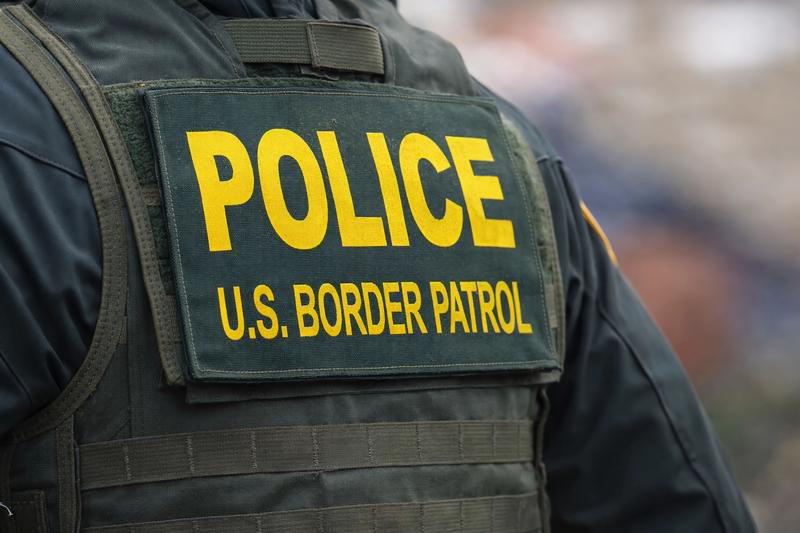
Gregory Bovino, previously the commander at large for Customs and Border Protection, has returned to his prior role as the chief patrol agent in El Centro, California. This transition comes in the wake of two fatal shootings in Minneapolis, Minnesota, by federal agents, leading to a significant shift in the immigration enforcement approach of the Trump administration.
Trump later acknowledged concerns about Bovino’s approach in Minneapolis, stating that while Bovino is “very good,” he’s “a pretty out-there kind of a guy” and “maybe it wasn’t good here.” The president said he was sending Homan because “Tom, as tough as he is, gets along” with governors and mayors, even in Democratic areas.
The 55-year-old border official had earlier overseen numerous arrests in major cities such as Los Angeles, California, Chicago, Illinois, Charlotte, North Carolina, New Orleans, Louisiana, and Minneapolis, Minnesota. Despite the role change, Bovino remains an active official, as confirmed by the Department of Homeland Security on Monday. DHS Assistant Secretary Tricia McLaughlin recognized Bovino’s vital role within the administration. Bovino’s official duties persist, despite his reassignment.
The reshuffling of leadership positions follows the fatal shooting of Alex Pretti, a 37-year-old ICU nurse, on January 24. This incident occurred concurrently with President Donald Trump’s declaration that Tom Homan, the White House border czar, would be sent to Minneapolis to spearhead enforcement operations. Trump announced that Homan would directly report to him, thereby bypassing Homeland Security Secretary Kristi Noem and Bovino. Homan has already arrived in Minneapolis.
Video footage of the incident in Minneapolis revealed that Pretti was holding a cell phone, not a gun, when he was fatally shot by federal agents. Despite Pretti’s legal possession of a concealed carry permit and weapon, Bovino suggested at a press conference that Pretti had intended to harm law enforcement. Agents shot Pretti multiple times after seizing his firearm. The video evidence indicates that Pretti never attempted to reach for his weapon.
President Trump seemed to distance his administration from Bovino’s interpretation of Pretti’s actions, stating that Pretti did not behave as a murderer would.
After the shooting, Bovino faced criticism for his statements, in which he referred to the Border Patrol agents as victims.
The fatal shooting of Pretti was the second such incident involving federal agents in Minneapolis in January. Earlier, on January 7, Renee Good, a 37-year-old mother of three, was shot dead by an ICE officer as she drove her SUV away from the scene.
These shootings sparked widespread protests across Minnesota and elicited bipartisan criticism. Protests continued through early February, with dozens arrested outside the federal building in Minneapolis on February 7, the one-month anniversary of Renee Good’s death.
The shootings also triggered resignations within the Justice Department. At least six federal prosecutors with the U.S. Attorney’s Office in Minnesota resigned over concerns with the Justice Department’s handling of the investigations into the fatal shootings. The prosecutors expressed frustration that they were not allowed to investigate the federal officers involved in the shootings of Good and Pretti.
In the face of growing backlash, federal agents have started withdrawing from Minneapolis, marking a significant strategy shift for an administration that initially defended the aggressive enforcement tactics used in many cities.
Bovino’s decades-long service with the CBP in various leadership positions, including his role as the high-profile commander at large, made him a national representative of Trump’s immigration crackdown.
During Operation Midway Blitz in Chicago, Bovino supervised approximately 1,600 arrests in the city and surrounding suburbs. His operations in Los Angeles led to over 5,000 arrests. His aggressive tactics and confrontational public image made him a well-known figure in federal immigration enforcement.
Bovino’s enforcement strategies faced judicial scrutiny during the Chicago operation. Notably, a judge stated that Bovino admitted he lied about being hit with a rock before deploying tear gas against protesters.
Bovino himself used tear gas against protesters during demonstrations opposing immigration enforcement operations. His proactive approach to crowd control made him a polarizing figure, applauded by immigration hardliners while criticized by civil liberties advocates.
The role of commander at large was a temporary assignment granting Bovino extensive authority to lead enforcement operations nationwide. His reassignment to El Centro signifies a noticeable change, though DHS officials maintain he remains an integral part of the administration’s immigration enforcement leadership.
The changing narrative from the administration indicates a departure from its initial robust defense of agent tactics following the fatal shootings.
The operations in Minneapolis have ignited debates about immigration enforcement methods and federal authority. Protests continue across Minnesota, with demonstrators demanding accountability and changes to enforcement tactics. State and local officials have clashed with federal authorities over the coordination and oversight of immigration operations within their jurisdictions.
Bovino’s term as commander at large highlighted the administration’s forceful approach to immigration enforcement. His frequent media appearances kept him in the public spotlight as federal agents conducted extensive operations in Democratic-led cities.
The leadership transition in Minneapolis, with Homan assuming direct control under Trump’s orders, implies the administration acknowledges the need for a different approach in response to public outrage over the shootings. Homan’s appointment bypasses traditional department hierarchies, giving him direct authority to restructure operations in the city.
As Bovino returns to El Centro, questions remain about whether his aggressive enforcement style will continue in other cities or if the Minneapolis backlash will trigger broader changes in immigration enforcement tactics nationwide. The fatal shootings have increased scrutiny over federal agents’ use of force and raised questions about oversight mechanisms for local operations.