
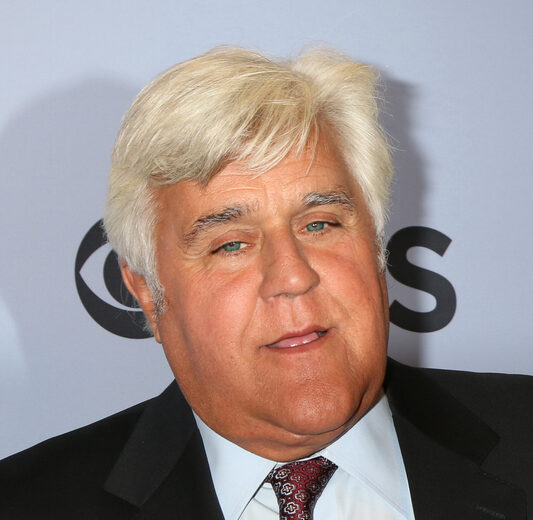
Jay Leno, the renowned comedian, has publicly discussed his role as the main caregiver for his wife, Mavis, who is suffering from advanced dementia. He expressed his surprise at the reactions of some individuals in Hollywood, who were taken aback by his dedication to his ailing wife.
Leno, 75, has been married to Mavis, 79, since 1980. During a recent interview on Maria Shriver’s Life Above the Noise podcast, he noted that some people were shocked at his commitment to his marriage vows. This included standing by his wife through illness and health, a concept that some found unusual.
The comedian revealed in late 2024 that Mavis was diagnosed with dementia. Since that time, Leno has adjusted his professional life to ensure that he is able to take care of his wife. The former Tonight Show host now only accepts work that permits him to return home the same day, a significant shift from his previous active stand-up comedy schedule.
One suggestion from a Hollywood associate, that Leno should consider getting a girlfriend, exemplified the mindset he encountered. Leno dismissed the idea, noting his 45-year-long marriage and his commitment to stand by Mavis during this difficult time.
While discussing his caregiving role, Leno acknowledged his privileged situation. He has the financial means to hire help when he is not at home and is able to return home by 6 PM to prepare dinner. He expressed empathy for individuals like nurses, police officers, and teachers who also serve as caregivers, yet must juggle this role with their demanding professional lives.
“I’m glad I’m passing the test,” stated Leno, indicating that he sees this responsibility as a test of his character rather than a sacrifice. He views his caregiving role as a necessary part of his commitment to his wife.
Leno also commented on societal changes, noting that people now find staying true to one’s commitments surprising, a shift from previous societal norms. He observed that breaking commitments, once viewed as unacceptable, has become more commonplace.
In January 2024, Leno filed for conservatorship over Mavis’s estate due to her cognitive impairment, including dementia, that prevented her from managing her own affairs. This legal action was undertaken to ensure her affairs would be properly handled as her condition worsened.
Mavis Leno, in addition to being married to the television icon, has her own formidable legacy. She was nominated for a Nobel Peace Prize in 2002 for her advocacy work for Afghan women under Taliban rule. Her humanitarian work brought global awareness to the oppressive conditions faced by these women, making her a powerful advocate for human rights.
The couple first crossed paths at the Comedy Store in Los Angeles, California, in the 1970s, and their relationship has lasted over four decades. They chose not to have children, focusing instead on their careers and shared interests.
Leno hopes his situation can bring attention to the 50 to 60 million other individuals serving as caregivers to their loved ones. These individuals often balance caregiving with other responsibilities, and without the financial resources available to Leno.
Leno’s experience and discussions about his caregiving role contribute to a larger conversation about family obligations, marital commitments, and the realities faced by millions of Americans providing care for their loved ones with conditions like dementia and others.
Dementia is a progressive condition that impacts memory, thinking, and daily activities. Advanced dementia, like Mavis Leno’s condition, necessitates significant daily assistance and may cause substantial changes in personality and cognitive function.
Leno’s perspective on the caregiving role reflects a traditional view of marriage that he suggests is less common today. His surprise at the reactions of others highlights a perceived difference between his values and those of others, particularly within the entertainment industry.
As Leno continues to juggle his comedy career with his caregiving responsibilities, his experience underscores both the personal nature of these decisions and the broader societal questions about commitment, responsibility, and societal support for those caring for loved ones with serious illnesses.